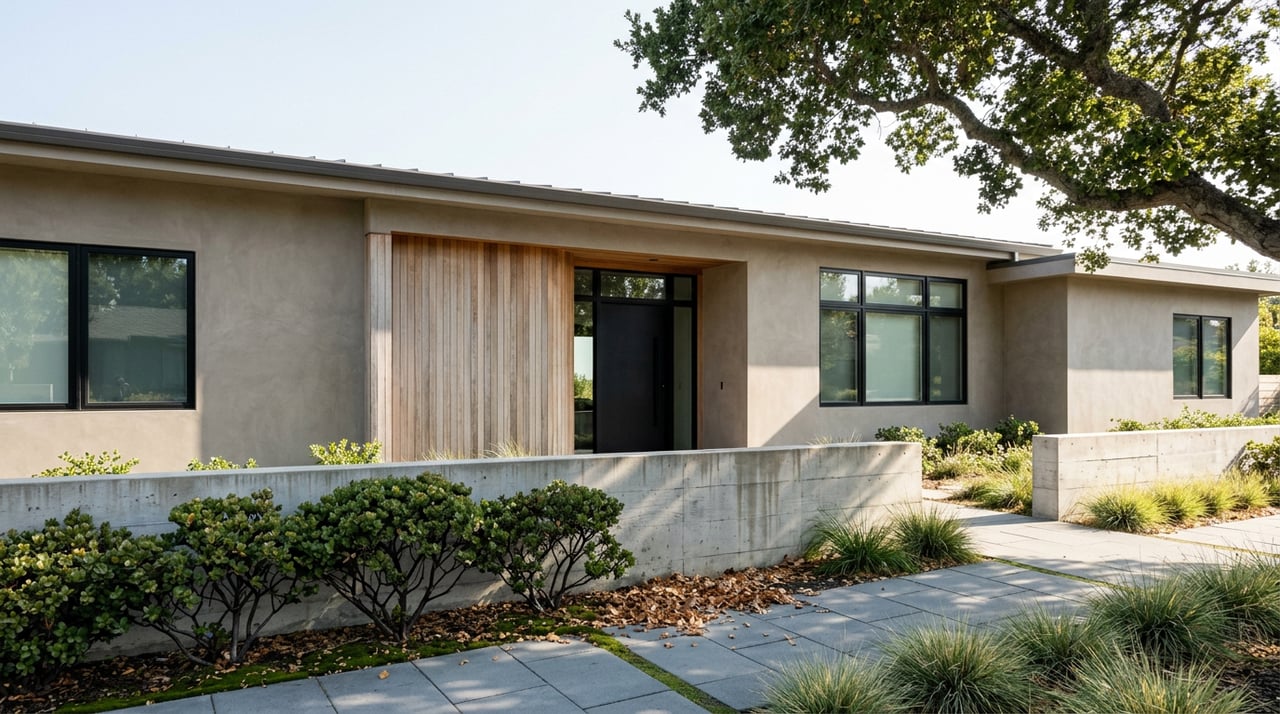
Richmond Doesn't Have One Housing Market. It Has Four.
Two buyers called me on the same week last month, both asking the same question: what's a house going for in Richmond right now. Both had seen the same headline number floating around the portals, somewhere near $650,000. Both were shopping with roughly the same budget. One ended up looking at bungalows in the Annex that were pulling well past $800,000. The other found a waterfront condo in Marina Bay for under $520,000. Same city. Same week. Same median everyone was quoting. Almost nothing in common.
That's the thing about Richmond's median home price. It's real, it's calculated correctly, and it will still mislead you if you use it to plan a purchase. The number blends together at least four submarkets that don't behave like one market at all, and the gap between them is wide enough to change what kind of house, and what kind of life, your budget actually buys.
Over the three months ending in May 2026, homes across the city of Richmond sold at a median price of $650,000, up 6.5 percent from the same period a year earlier, with 197 homes changing hands that May and a typical listing going pending in around 20 days. That's the figure that shows up in market snapshots and gets repeated in casual conversation about the East Bay.
It's not wrong. It's just an average of places that aren't competing for the same buyer.
Richmond grew up as a patchwork of distinct pieces: a historic waterfront village, a suburban annex bordering El Cerrito, a purpose-built marina community on reclaimed industrial land, and a downtown core still working through its industrial past. Each piece prices on its own logic.
Point Richmond, the small hillside village with the walkable downtown and harbor views, sold over the three months ending in May 2026 at a median of $877,000, down 12.3 percent from a year earlier even as price per square foot rose to $534, up 12.7 percent. That combination, a lower median with a higher per-square-foot price, usually means smaller or more modest homes changed hands that period, not that the neighborhood got cheaper to build in.
Richmond Annex, the bungalow-and-Craftsman neighborhood that shares a border with El Cerrito and sits a short walk from the El Cerrito Plaza BART station, told an even messier story depending on which window you look at. In February 2026, the median sale price hit $881,000, up 12.6 percent year over year, but only 8 homes sold that month. A separate twelve-month trailing figure put the Annex median closer to $799,995, down 6 percent from the prior year. Both numbers are accurate. Neither is stable, because when a neighborhood sells single digits of homes in a given month, one large sale or one modest one can swing the median by six figures.
Marina Bay, the gated waterfront community built along the Bay Trail with direct ferry access to San Francisco, sold at a median of $509,829 in May 2026, up 6.2 percent year over year. A separate read on the condo segment specifically put the July 2026 median closer to $499,000. Either way, Marina Bay is priced in an entirely different bracket than the Annex or Point Richmond, largely because its housing stock is dominated by condos and townhomes built on what used to be shipyard and industrial land rather than the single-family bungalows that define the hillside neighborhoods.
City Center Richmond, closest to the old downtown core, sold at a median of just $305,000 over the three months ending in December 2025, down 24 percent year over year, with price per square foot falling 40.4 percent over the same period. That's not a typo. It's a neighborhood still in transition from its industrial and commercial history toward residential use, and the price reflects how much work, both physical and market perception, that transition still requires.
Here's how those four numbers sit next to the citywide figure:
| Submarket | Median Sale Price | Year-Over-Year |
|---|---|---|
| Richmond (citywide, 3-mo ending May 2026) | $650,000 | +6.5% |
| Point Richmond (3-mo ending May 2026) | $877,000 | -12.3% |
| Richmond Annex (Feb 2026) | $881,000 | +12.6% |
| Marina Bay (May 2026) | $509,829 | +6.2% |
| City Center Richmond (3-mo ending Dec 2025) | $305,000 | -24.0% |
Put Point Richmond and City Center Richmond side by side and you're looking at a gap of nearly $572,000 inside the same city limits. The citywide median sits almost exactly in the middle, which is exactly the problem. It tells you where the average landed, not where any actual house is priced.
The clearest evidence that Richmond's submarkets are pricing on different logic is sitting in the Southwest Annex right now. City Ventures is building Cherry Blossom Row, a planned community of 100 all-electric, solar-powered townhome-style condominiums, on a site the city rezoned in 2021 from general commercial to medium-density multi-family residential to allow the project to move forward. Units are now selling from $649,990.
Sit that number next to the Annex's resale figures. Whether you use the February spike of $881,000 or the steadier twelve-month trailing figure near $799,995, new construction in the same neighborhood is landing well below both. That's not because Cherry Blossom Row is a lesser product. It's a smaller footprint, all-electric build on land that spent decades zoned for commercial use rather than housing, which means it's priced to compete with entry-level buyers rather than with the market for a fully detached Craftsman on a residential lot the Annex has been building on for a century.
For a buyer priced out of the Annex's resale bungalows, that gap is the actual opportunity. Not a discount on the same product, but a genuinely different product entering the same zip code at a different price point.
None of this is random. Richmond's history as an industrial city, home to shipyards, refineries, and rail lines, meant its neighborhoods developed in isolated pockets rather than growing outward as one continuous suburb the way El Cerrito or Albany did. Point Richmond and the Annex kept their early-twentieth-century residential character because they were built as residential from the start. Marina Bay didn't exist as a housing market at all until reclaimed shipyard land was redeveloped into a marina community decades later. City Center sits closest to the industrial core the city is still working to convert to residential use, which is why its price per square foot fell faster than any other submarket in the data.
A buyer comparing "Richmond" to El Cerrito or Berkeley on price alone is really comparing four different Richmonds to one uniform market. The comparison only works once you specify which Richmond you mean.
A few things worth carrying into any conversation about Richmond pricing:
Is Richmond cheaper than El Cerrito or Berkeley? On average, yes. But Point Richmond and the Annex price closer to El Cerrito's hill neighborhoods than to Richmond's own citywide median, so the honest answer depends entirely on which Richmond neighborhood you're comparing.
Why did the Richmond Annex median jump so much in February 2026? Low sales volume. Only 8 homes sold that month, and a small number of transactions can swing a median sharply in either direction. The twelve-month trailing figure gives a steadier read than any single month.
Is Cherry Blossom Row priced below the neighborhood? It's priced below the Annex's resale figures, but it's a different product on rezoned land, not a discounted version of the same bungalow stock that drives the Annex's resale median.
If you're trying to figure out which version of Richmond actually fits your budget and your list of must-haves, that's a conversation worth having before you start touring. Mark Choi works these East Bay submarkets block by block, and the Start Your East Bay Home Search tool on his site is built to sort through exactly this kind of pricing split so you're comparing the right neighborhood to your actual number, not the average of four.
Stay up to date on the latest real estate trends.
My objective is to get the top dollar for your home in the current dynamic real estate market and to make the process of listing or buying your home as stress-free and fun as possible.
MARK P. CHOI | CA DRE# 01433100
1619 Shattuck Avenue Berkeley, CA 94709