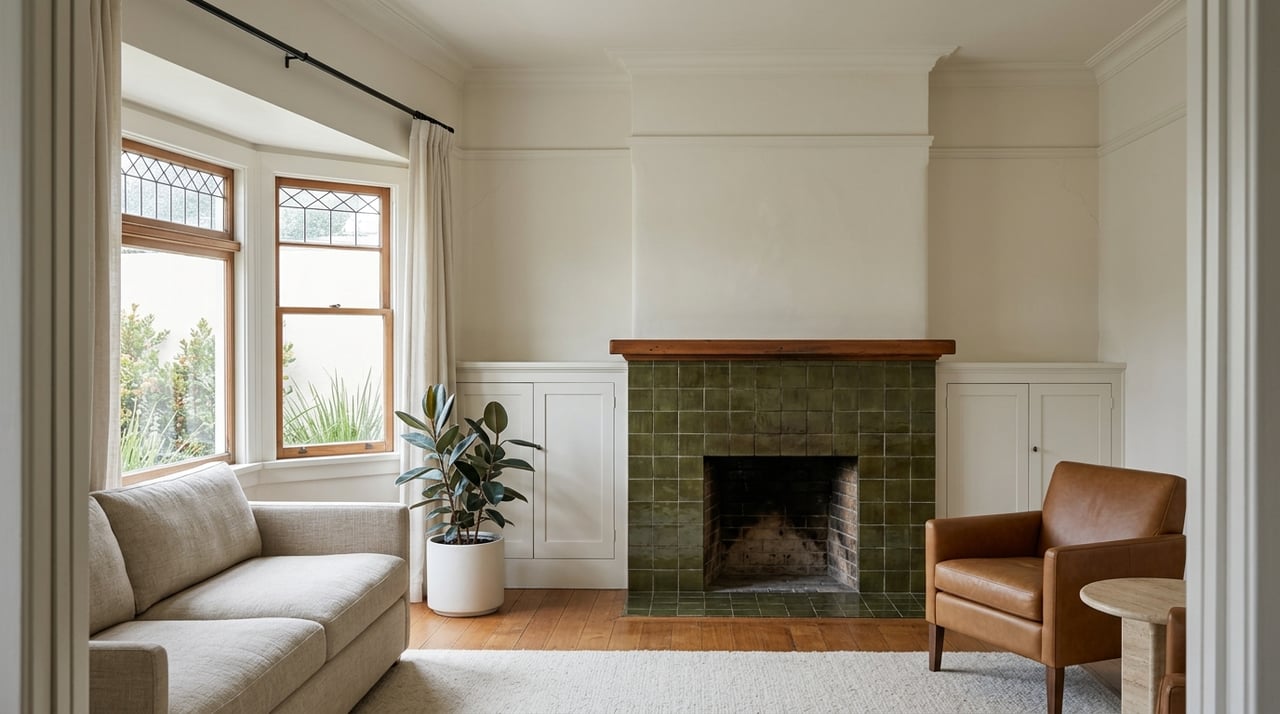
Marketing A Character Home In Oakland’s Older Neighborhoods
If you own an older Oakland home, you already know it does not sell like a cookie-cutter listing. Buyers notice original millwork, vintage windows, built-ins, and the feel of a street with long history, but they also notice condition, updates, and price. When you market a character home well, you help buyers see both the charm and the value. Let’s dive in.
Oakland has an unusually deep supply of older and historically significant homes. According to the City of Oakland, its historic buildings and neighborhoods are matched by few other cities in California, and the city’s preservation program includes landmarks, heritage properties, and preservation districts.
That matters because character can be a real selling advantage in Oakland. The city says roughly 20% to 25% of Oakland buildings have at least some minimal historic value, so a thoughtful, character-forward marketing strategy can apply far beyond formally designated historic homes.
It also means one-size-fits-all marketing usually falls short. A seller in West Oakland, Adams Point, Rockridge, or Temescal is not selling into the same exact buyer pool, price point, or neighborhood story.
Before you make repairs, order staging, or write listing copy, confirm how the property is classified. Oakland’s preservation framework includes landmarks, heritage properties, and contributors in preservation districts such as Old Oakland-Victorian Row, the Bellevue-Staten Apartment District in Adams Point, Sheffield Village, Oak Center Historic District, and the 7th Street Commercial District.
If your home falls into one of these categories, exterior work and major changes may be subject to local review. The City of Oakland says design review for historic properties must maintain compatibility with neighborhood character and deliver equal-or-better design quality.
That is especially important if you were planning to market new windows, façade changes, additions, or exterior alterations as simple pre-sale upgrades. In Oakland, those changes may need a closer look before they become part of your sales strategy.
With older homes, the goal is not to strip out the details that make the property special. Oakland notes that historic materials and workmanship are often difficult or expensive to replace today, which is why original trim, staircases, built-ins, façade details, and older windows deserve careful repair and cleaning whenever possible.
For sellers, this creates a clear pre-listing priority. Preserve what buyers can see and appreciate, while also addressing obvious deferred maintenance that may distract from the home’s strengths.
That can mean refreshing paint, repairing damaged woodwork, tuning up doors and windows, improving lighting, and cleaning original finishes instead of replacing them with generic materials. Buyers looking at an Oakland character home often respond best to authenticity, not over-modernization.
Older homes usually need more upfront diligence than newer ones. In California, sellers use the Real Estate Transfer Disclosure Statement to disclose the property’s physical condition and known hazards or defects.
For many character homes, federal lead-based paint disclosure rules also apply because they cover most homes built before 1978. The EPA reports that 87% of homes built before 1940 contain some lead-based paint.
Asbestos is another issue that should be handled carefully. The EPA warns that suspected asbestos-containing materials cannot be identified by sight alone, so if materials are damaged or planned work may disturb them, a trained professional should sample them.
From a marketing standpoint, early disclosure prep helps you avoid surprises later. It also gives buyers more confidence that the home has been presented honestly and professionally.
Staging works, but for a character home, the purpose is a little different. You are not trying to erase the home’s age or make it look like a new build. You are helping buyers focus on the features that make the home memorable.
The National Association of Realtors reported in 2025 that 83% of buyers’ agents said staging made it easier for buyers to visualize a home as their future home. The same research found that 29% of sellers’ agents said staging increased offered price by 1% to 10%, and nearly half said staging reduced time on market.
For Oakland character homes, staging should clear out visual clutter and create breathing room around original details. That allows buyers to notice ceiling height, fireplaces, room proportions, built-ins, millwork, and natural light.
NAR found that the living room, primary bedroom, and kitchen are the most important spaces to stage. Those rooms often shape a buyer’s first impression of how the home lives day to day.
In a vintage Oakland home, thoughtful staging in those spaces can help buyers connect period details with modern function. A clean, edited look usually performs better than a heavily themed or overly trendy approach.
Your first showing often happens online. That makes photography and video essential, especially when a home’s appeal depends on atmosphere, craftsmanship, and proportion.
NAR’s 2025 staging research found that buyers’ agents rated photos as the most important listing tool, followed by physical staging, videos, and virtual tours. The same report said 31% of buyers’ agents saw staging make buyers more willing to walk through a home they first found online.
For a character property, visuals should highlight the details that cannot be mass-produced. Think original woodwork, window lines, staircase design, fireplaces, façade rhythm, and how rooms connect.
Just as important, the visuals should stay truthful. NAR has cautioned that misleading or overly edited listing photos can backfire when buyers arrive and the home does not match what they saw online.
A strong listing for an older Oakland home should do more than list square footage and bedroom count. It should explain what the home is, what has been preserved, what has been improved, and how it fits into its neighborhood context.
Oakland’s preservation office points researchers to useful historical sources such as tax assessor block books from about 1870 to 1925 and Sanborn fire-insurance maps from 1882 into the 1950s. The city also notes that its cultural heritage survey documented many parts of Oakland, including Adams Point, West Oakland, neighborhood commercial strips, and other historic areas.
That kind of research can support a concise and credible value story. If you can document construction period, architectural style, original elements, or later additions, you give buyers more context for what makes the home special.
This matters in Oakland because preservation is tied to neighborhood identity, community image, and economic vitality. In other words, the story is not fluff. It is part of the marketing.
Pricing a character home in Oakland takes discipline. A citywide median can be useful background, but it should not drive the final list price on its own.
Redfin’s March 2026 data shows Oakland with a median sale price of $870,000, about 15 days on market, and roughly 4 offers on average. But neighborhood-level numbers vary sharply, with about $563,000 in West Oakland, $630,000 in Adams Point, $1.26 million in Rockridge, and $1.4 million in Temescal.
That spread is a reminder that buyers compare homes at the neighborhood and property level. For a character home, recent nearby sales in a similar style and condition range are usually more useful than broad city averages.
Two homes built in the same era may not command the same price. Originality, renovation quality, lot, view, visible maintenance, and any preservation-related constraints or benefits can all influence value.
If the property has a Mills Act contract, that may be part of the value conversation because Oakland says the program can reduce property taxes in exchange for preserving historic character. But any tax-related benefit should be documented carefully and never overstated.
A strong pricing strategy balances romance with reality. Buyers may fall in love with a home’s details, but they still measure condition, functionality, and neighborhood fit.
For many sellers, the best approach is a step-by-step launch plan that protects character while improving presentation. That usually includes:
This kind of plan fits Oakland because no two older homes tell the same story. The more specific and grounded the presentation is, the easier it is for buyers to understand the value.
Selling a character home is part preparation, part storytelling, and part market strategy. When those pieces work together, your home can stand out for the right reasons and attract buyers who appreciate what makes it different. If you want a polished, low-stress plan for marketing an older Oakland home, connect with Mark P. Choi.
Stay up to date on the latest real estate trends.



My objective is to get the top dollar for your home in the current dynamic real estate market and to make the process of listing or buying your home as stress-free and fun as possible.

MARK P. CHOI | CA DRE# 01433100
1619 Shattuck Avenue Berkeley, CA 94709