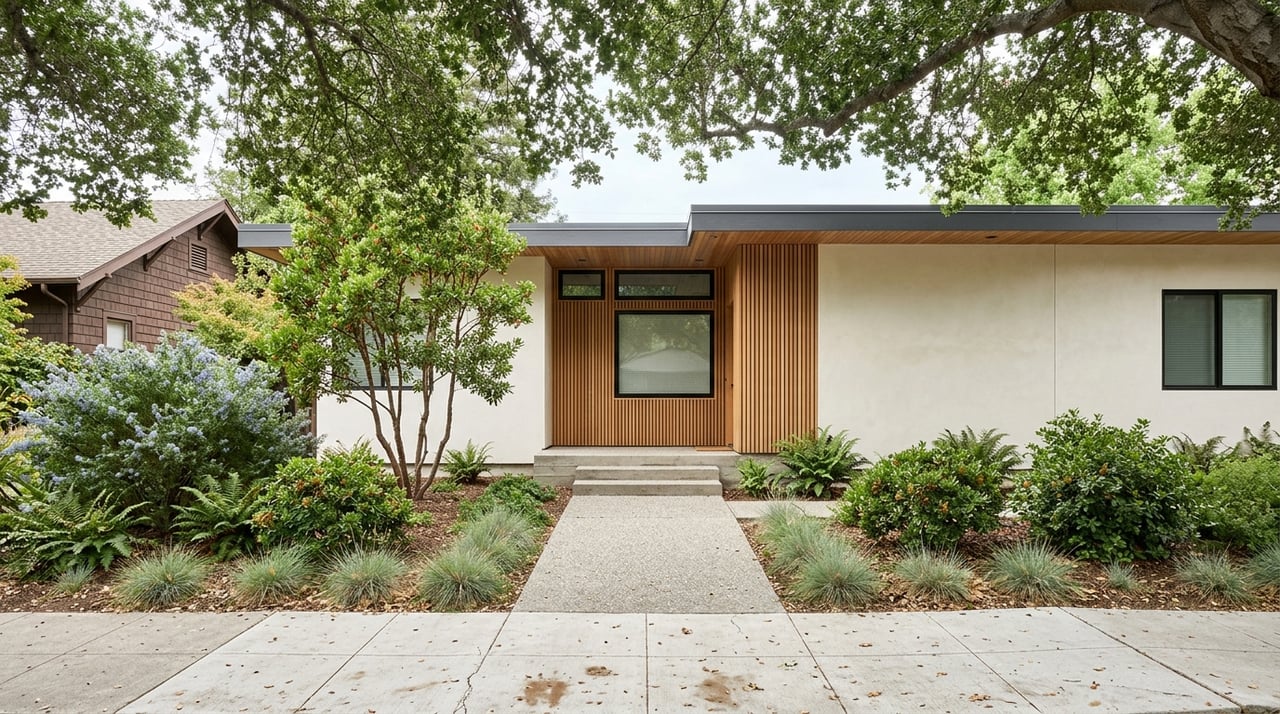
North vs South Berkeley Homes: Find Your Best Fit
Trying to choose between North Berkeley and South Berkeley? You are not alone. Many buyers start with a simple north-versus-south question, then realize the real difference is less about an official dividing line and more about how each part of Berkeley feels day to day. This guide will help you compare the housing patterns, street rhythm, transit access, and market numbers so you can focus your search with more confidence. Let’s dive in.
If you are deciding between North Berkeley and South Berkeley, the most useful lens is the built environment. Current city and transit planning documents tend to frame North Berkeley through areas and corridors like Northbrae, Solano Avenue, North Shattuck, University Avenue, and Sacramento Street. South Berkeley is typically understood through South Shattuck, Adeline, Ashby, and the campus-adjacent Southside.
That matters because your experience as a buyer usually comes down to everyday patterns. Where do you run errands, how dense does the area feel, how much transit activity do you want nearby, and what kind of housing stock are you drawn to? In Berkeley, those answers can shift quite a bit between the north and south sides.
North Berkeley often reads as the more residential and landscape-driven side of the city. A key reference point is Northbrae, which the American Planning Association describes as a planned neighborhood with curving streets, paths and steps, stone pillars, hillside views, and homes that are largely Craftsman and California bungalow in style.
That physical setting shapes the experience of the area. The same Northbrae guide notes that 136 paths and steps cross the neighborhood, which helps explain why the north side can feel more topography-driven and tucked into the landscape. If you like streets and blocks that feel shaped by the hills and the built history around them, North Berkeley may stand out quickly.
Housing in North Berkeley often appeals to buyers who want architectural character. Craftsman and bungalow-style homes are a strong part of the area’s identity, especially around Northbrae. That does not mean every block looks the same, but it does mean the north side often feels more visually tied to classic Berkeley residential design.
You may also notice that the housing experience can feel less centered on one major core. Instead, it is spread across residential blocks with access to a few distinct neighborhood commercial streets. That pattern can be a strong fit if you want a home base that feels quieter overall while still keeping everyday errands within reach.
Transit and walkability in North Berkeley tend to revolve around neighborhood access. BART describes North Berkeley Station as serving a walkable neighborhood with nearby commercial corridors on University Avenue and Sacramento Street, along with direct access to the Ohlone Greenway.
City planning documents also identify North Shattuck, College, and Solano Avenue as important commercial and transit corridors. In practical terms, that means your coffee stop, grocery run, and local errands may be distributed across several neighborhood strips instead of concentrated in one dense downtown-style center.
South Berkeley generally feels more mixed in use and texture. The City of Berkeley’s South Shattuck Strategic Plan describes the Shattuck and Adeline corridor between Dwight Way and Ashby Avenue as a major southern transportation spine into Downtown Berkeley, with neighborhood- and regional-serving shopping, plus traffic and parking congestion in some stretches.
That description captures a big part of the south side’s identity. Compared with North Berkeley, South Berkeley often feels more corridor-driven, more varied in building types, and more urban in its day-to-day rhythm.
The same city plan notes that surrounding residential streets include single-family bungalows, shingle houses, and small to medium apartment buildings. That mix can give buyers a broader range of housing types to consider within a relatively compact area.
For some buyers, that variety is the draw. If you want options across condos, apartments, townhome-style living, and detached homes, South Berkeley may offer more variety from one block to the next. As always in Berkeley, the micro-location matters.
South Berkeley also includes the Southside at the north edge of the area. The city describes Southside as one of Berkeley’s densest and most transit-rich districts, and recent projects there focus on protected bikeways, bus-only lanes, and safer crossings on Bancroft, Dana, Fulton, Telegraph, and Durant.
That gives the area a distinctly urban rhythm. If you want quicker access to the campus edge, stronger transit infrastructure, and a more active street environment, South Berkeley may line up better with your lifestyle. Ashby BART also anchors the southern part of Berkeley, adding another important transit spine beyond the campus-adjacent streets.
A lot of buyers assume North Berkeley is dramatically more expensive than South Berkeley. Current neighborhood market data suggests the gap is actually fairly modest. Redfin’s May 2026 neighborhood pages show a median sale price of $1,399,529 in North Berkeley and $1,362,042 in South Berkeley.
The pace is also relatively close. North Berkeley posted a median of 14 days on market, while South Berkeley came in at 16 days. That tells you the bigger decision often is not simply price, but which housing type and micro-location best fit your needs.
Recent neighborhood sales show wide ranges on both sides of Berkeley. North Berkeley examples ran from a $640,000 condo to a $3,570,000 single-family home, while South Berkeley examples ranged from an $898,000 condo to a $3,200,000 single-family home.
Those ranges are a good reminder not to oversimplify the north-versus-south question. Both areas can include condos, townhouses, and detached homes, and both can vary sharply block by block. When you tour Berkeley, you are often choosing not just a side of town, but a very specific pocket within it.
You may prefer North Berkeley if your priorities include:
For many buyers, North Berkeley feels like a better match when the goal is a more residential setting with visible architectural character and a neighborhood-oriented daily routine.
You may prefer South Berkeley if your priorities include:
South Berkeley can be especially appealing if you want a more connected, transit-rich environment and do not mind a busier street rhythm in exchange for that access and variety.
If you are actively home shopping, it helps to compare the two sides with a simple framework. Pay attention to how each area feels at different times of day, how far daily errands are from the homes you like, and whether you want your neighborhood to feel more residential or more corridor-centered.
It is also smart to compare similar property types on both sides. A condo in one part of Berkeley may give you a very different experience than a detached home a few streets away, even if the list prices seem close. Looking at homes through the lens of lifestyle, housing stock, and micro-location usually leads to better decisions than focusing on a north-versus-south label alone.
There is no single right answer in the North Berkeley versus South Berkeley debate. The better fit depends on how you want your surroundings to feel, what kind of home you want, and how you plan to move through Berkeley each day.
North Berkeley often stands out for its residential character, landscape-led feel, and classic home styles. South Berkeley often stands out for mixed-use energy, transit access, and housing variety. If you tour both with a clear sense of your priorities, the right fit usually becomes much easier to see.
If you want help narrowing your search in Berkeley, working with a local agent who can translate block-by-block differences can save you time and reduce stress. When you are ready to explore neighborhoods, compare homes, or plan your next move in the East Bay, connect with Mark P. Choi.
Stay up to date on the latest real estate trends.
My objective is to get the top dollar for your home in the current dynamic real estate market and to make the process of listing or buying your home as stress-free and fun as possible.
MARK P. CHOI | CA DRE# 01433100
1619 Shattuck Avenue Berkeley, CA 94709