
Richmond Home Seller Playbook For Attracting Strong Offers
Wondering how to get strong offers on your Richmond home without pouring money into a major remodel? You are not alone. Many sellers want the best possible price, but they also want a smart plan that feels efficient, low-stress, and grounded in what buyers are actually responding to right now. The good news is that recent Richmond market data points to a clear path: thoughtful prep, sharp pricing, and a strong first-week launch matter more than over-improving. Let’s dive in.
Richmond remains a very competitive market. Over the three months ending May 2026, homes received about five offers on average, sold in around 20 days, and reached a median sale price of $649,611. Just as important, the average sale-to-list ratio was 104.7%, and 54.3% of homes sold above list price.
That tells you something important as a seller. Buyers are still willing to act quickly and compete, but they are rewarding homes that hit the market in the right condition and at the right price. This is not a market where you can assume any listing will automatically win just by being available.
Richmond also sits below Contra Costa County’s FY-2026 median sale price of $779,750. In practical terms, that helps keep Richmond appealing within the broader East Bay, which can support steady buyer interest. Still, inventory trends in West Contra Costa County have shifted enough that your pricing and presentation should be tailored to your specific Richmond micro-market, not based on broad regional averages.
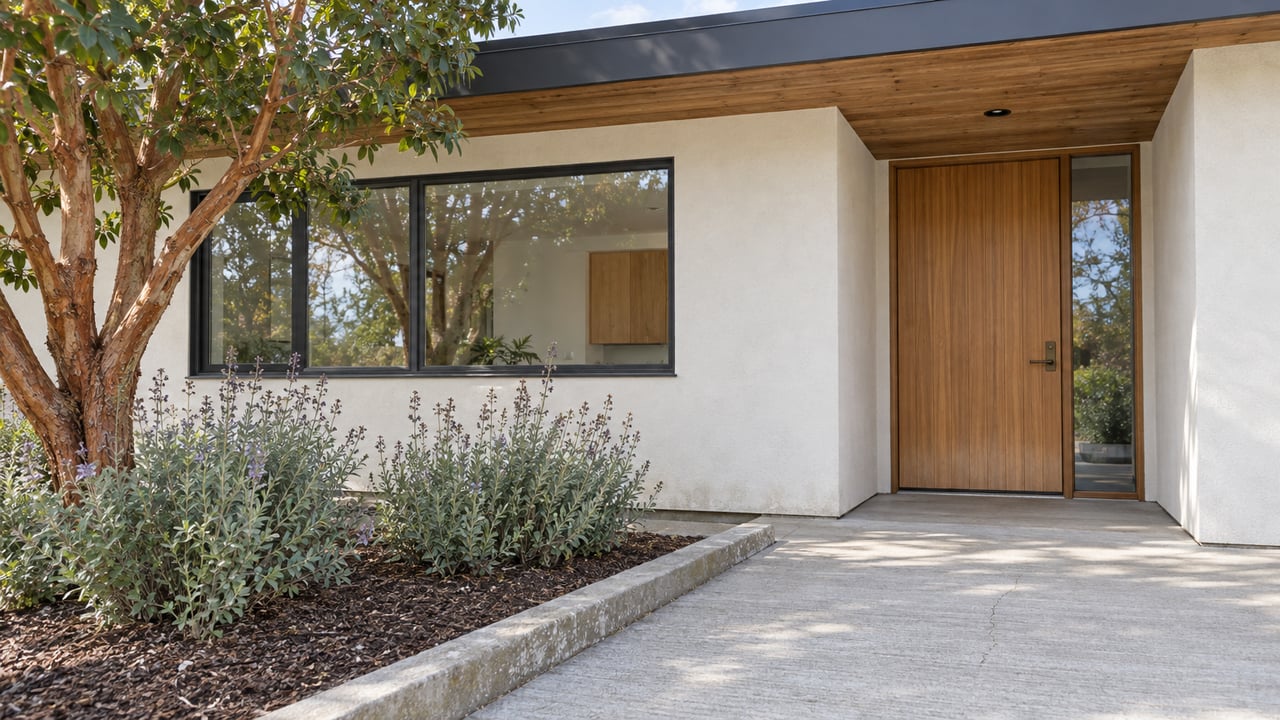
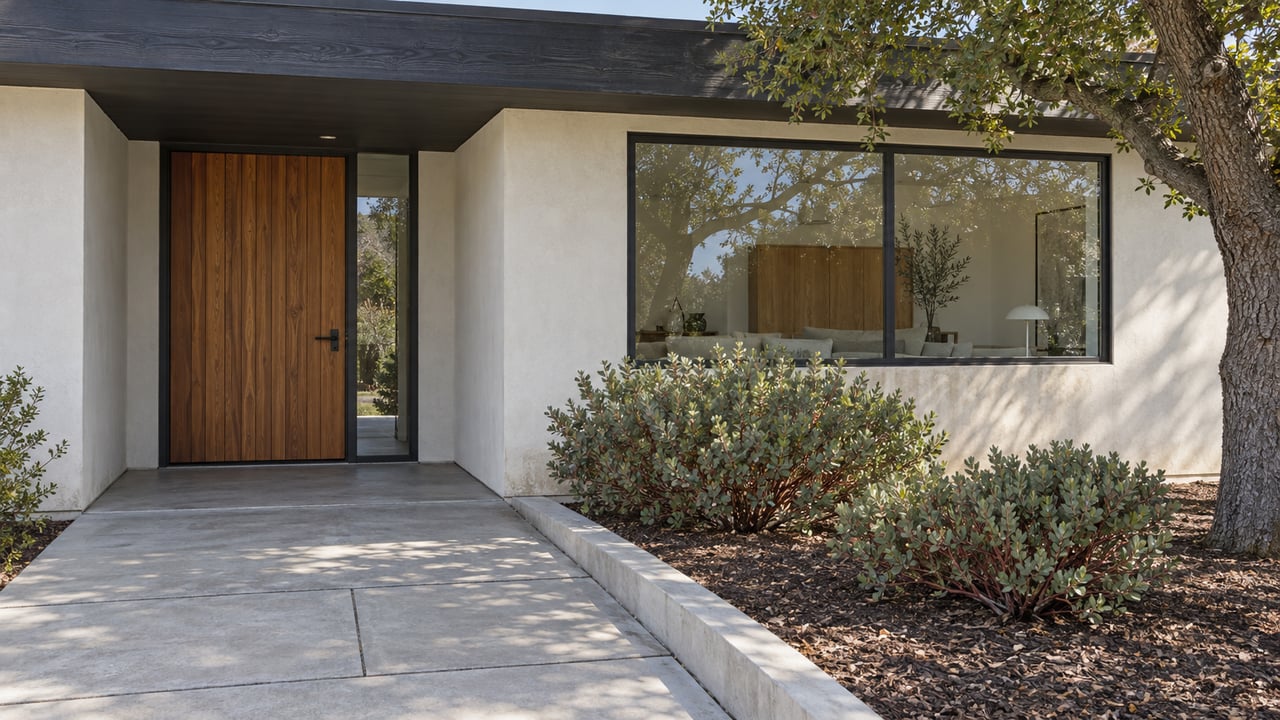
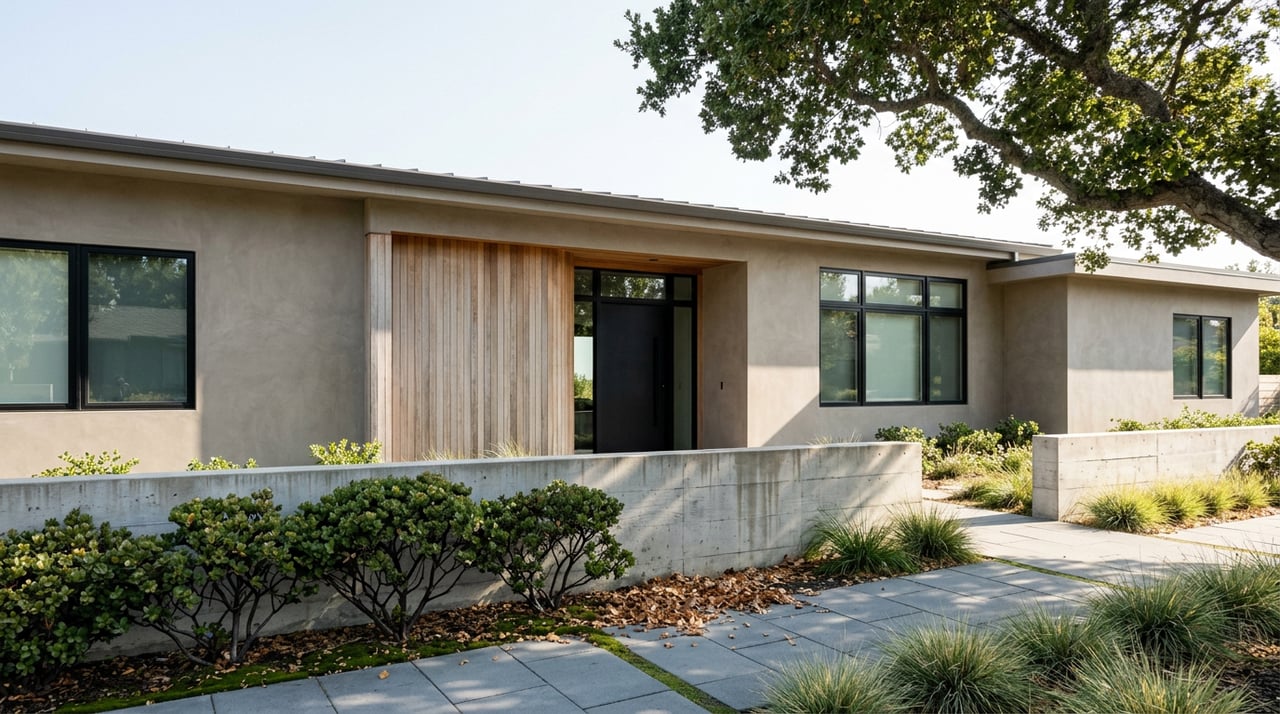
If you are deciding where to spend time and money before listing, the research points to visible, broad-appeal improvements. The most commonly recommended seller prep items were decluttering, whole-home cleaning, curb appeal improvements, professional photos, minor repairs, carpet cleaning, and depersonalizing the home.
That is a useful signal for Richmond sellers. In a market where homes can move quickly, buyers often make an early judgment based on how clean, bright, and move-in ready a home feels. You do not necessarily need a full remodel to attract strong interest.
Instead, focus on the updates buyers can see and feel right away:
This approach fits how many East Bay buyers shop today. They are often comparing homes online first, then deciding which ones deserve an in-person visit. If your home looks polished from the start, you are more likely to draw serious traffic early.
Not every room carries the same weight. According to the staging data, the top rooms to stage first are the living room, primary bedroom, and kitchen. Those spaces tend to shape a buyer’s emotional response to the home.
If your budget is limited, start there. A clean, open living room helps buyers picture how they would gather and relax. A calm primary bedroom adds a sense of comfort, and an organized, well-presented kitchen signals functionality and care.
Staging also helps with visualization. The research found that 83% of buyers’ agents said staging makes it easier for buyers to see the property as a future home. That matters because strong offers are not just about square footage or finishes. They are often driven by whether buyers can quickly imagine themselves living there.
In Richmond, your launch window matters. That means your online presentation cannot be an afterthought. Buyers’ agents rated photos as the most important listing media, followed by staging, videos, and virtual tours.
Professional imagery is one of the clearest ways to strengthen your first impression. Crisp photography, thoughtful composition, and good lighting can make your home feel more inviting and better organized before a buyer ever steps inside.
For a seller, that creates momentum. More clicks can lead to more showings, and more showings can lead to stronger competition. In a market where some homes receive multiple offers and hot homes can go pending in around 12 days, that early attention is valuable.
One of the biggest mistakes sellers make is treating the first list price like a test run. Richmond’s current numbers suggest that the opening price carries real weight. The market is competitive, but about 20.2% of listings still had price drops.
That combination matters. On one hand, Richmond homes are selling at 104.7% of list price on average. On the other hand, a meaningful share of sellers still had to reduce their price. The takeaway is simple: buyers respond well when a home is priced near market and presented well, but they can also pull back quickly when a listing feels out of step.
This is why neighborhood-level pricing is so important. Conditions can differ across Richmond and the wider West Contra Costa area, especially as inventory changes from month to month. Your pricing strategy should reflect your home’s exact location, condition, lot, updates, and recent comparable sales, not just a citywide headline number.
When a home launches well, buyers notice. Redfin gives Richmond an 85 out of 100 Compete Score and classifies the city as very competitive. Hot homes can sell for about 13% above list price and go pending in around 12 days.
That makes the first week especially important. If your home enters the market clean, staged, well-photographed, and priced with discipline, you have a better chance of creating urgency. If it launches with weak presentation or a price that misses the market, that early momentum can fade fast.
A strong launch often helps produce the outcome sellers want most: real competition. When multiple buyers engage at once, you are in a better position to evaluate price, timing, and terms with confidence.
Some sellers assume that maximizing value means spending heavily before listing. The staging data suggests a more measured approach. The national median spend for staging services was $1,500, and some sellers’ agents reported that staging increased the dollar value offered by 1% to 5% or slightly reduced time on market.
That does not mean every dollar spent will produce the same return. It does suggest that targeted improvements can help, especially when they support cleaner visuals, stronger marketing, and a more move-in ready feel. In many cases, modest preparation can do more for offer strength than an expensive pre-sale project with a long timeline.
A practical Richmond seller strategy is to prioritize:
A successful sale is not only about attracting offers. It is also about reducing surprises once buyers begin reviewing the property. In California, sellers of most single-family residential properties must provide a written Transfer Disclosure Statement, and any waiver of that requirement is void.
For you, that means disclosure planning should begin before the home goes live. Waiting until the end of escrow can create stress and raise avoidable questions at the wrong time.
California also requires a written Natural Hazard Disclosure statement for mapped hazard zones, including flood, earthquake fault, seismic hazard, and high fire hazard areas. If your property falls into one of these categories, that disclosure process is part of the sale preparation.
If your home was built before 1978, known lead-based paint hazards must also be disclosed, and the required informational pamphlet must be delivered. Buyers must be given an inspection or testing window, though that timing can be adjusted by agreement.
The key point is simple: organized disclosures help support a smoother transaction. They also show buyers that the sale is being handled with care and transparency.
Closing costs can affect your net proceeds more than many sellers expect, so it helps to model them early. Richmond’s Measure H sets the city documentary transfer tax at $7 per $1,000 for sales under $1 million. The rate increases to $12.50 per $1,000 from $1 million to $3 million, $25 per $1,000 from $3 million to $10 million, and $30 per $1,000 above $10 million.
Contra Costa County also collects documentary transfer tax at $0.55 per $500. For a typical Richmond sale under $1 million, that works out to about $8.10 per $1,000 combined before title, escrow, and other closing costs.
Because Richmond’s recent median sale price is below $1 million, many sellers will fall into the lowest city transfer-tax tier. Still, if your home may sell at a higher price point, it is wise to confirm the correct bracket with escrow or the county recorder early in the process.
If your goal is to attract strong offers, the formula in Richmond is fairly clear right now. Presentation and pricing are doing the heavy lifting. Homes that look clean, feel well cared for, and launch with a realistic strategy are better positioned to draw attention quickly.
That is where a local, detail-driven approach can make a real difference. Richmond is competitive, but it is not one-size-fits-all. The homes that stand out are usually the ones with a clear story, polished marketing, and a plan built around their exact pocket of the market.
If you are thinking about selling in Richmond and want a thoughtful strategy for pricing, prep, and launch timing, Mark P. Choi can help you build a plan that fits your home and your goals.
Stay up to date on the latest real estate trends.






My objective is to get the top dollar for your home in the current dynamic real estate market and to make the process of listing or buying your home as stress-free and fun as possible.

MARK P. CHOI | CA DRE# 01433100
1619 Shattuck Avenue Berkeley, CA 94709