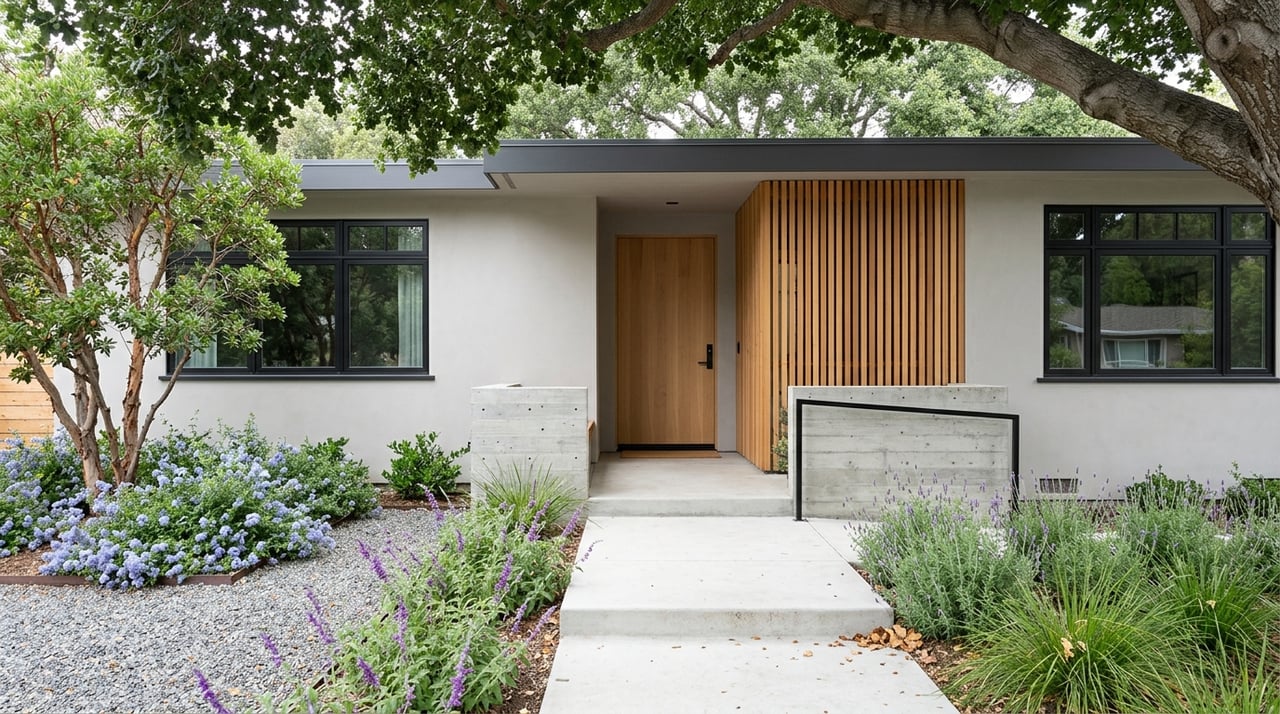
Comparing El Cerrito vs Albany Homes in the East Bay
Trying to choose between El Cerrito and Albany? If you are searching for the right East Bay home, these neighboring cities can look similar at first glance, but they offer meaningfully different day-to-day experiences. Your best fit depends on what matters most to you, whether that is BART access, housing style, walkability, or budget. Here is a clear side-by-side look to help you narrow your search with more confidence.
El Cerrito and Albany sit next to each other in the East Bay, but they differ in size, transit access, and overall feel. According to the City of El Cerrito community profile, El Cerrito covers 3.7 square miles and includes two BART stations, AC Transit service, and the Ohlone Greenway. By comparison, the City of Albany overview describes Albany as a smaller city with a small-town ambience, a pedestrian-friendly Solano Avenue, and recreation tied to the shoreline and East Shore State Park.
That difference shapes how each place lives. El Cerrito tends to feel more transit-connected and spread across multiple nodes. Albany feels more compact, with daily life centered around a smaller footprint and a main commercial corridor.
If home type is a big part of your decision, the numbers show a real contrast.
El Cerrito’s housing stock leans more heavily toward detached homes. A California Department of Housing and Community Development housing estimate found that about 69.8% of housing was single detached, with smaller shares of attached and multifamily homes.
Albany offers a more mixed housing profile. Based on Albany’s general plan framework, 52% of housing was single-family detached, while the rest included attached homes and a larger share of multifamily buildings, including bigger apartment and condo-style properties.
If you want to explore condos, attached homes, or multifamily options near a commercial street, Albany may be the better first stop. Its housing mix is broader, which can create more options if you are not set on a detached house.
That can be especially helpful if you want lower-maintenance living or prefer a denser, more compact setting. It also means your search may include a wider range of property formats in a small area.
If your ideal search starts with a detached home, El Cerrito may offer a better match. The city’s housing profile suggests a stronger likelihood of finding traditional single-family neighborhoods, along with some transit-oriented pockets.
For many buyers, that balance matters. You may find the space and layout of a detached home while still keeping access to major transportation routes and neighborhood amenities.
Both cities are competitive, but Albany generally sits at a higher price point.
According to recent Redfin market data for El Cerrito, El Cerrito posted a median sale price of $1,087,500 in February 2026, with 15 median days on market and 10 homes sold. In the same period, Albany recorded a median sale price of $1,557,000, 12 median days on market, and only 4 homes sold.
A Zillow home value index update for El Cerrito also showed El Cerrito at $1,107,672 as of February 28, 2026, while Albany was reported at $1,224,400. The same data showed El Cerrito down 3.5% year over year and Albany up 1.0%.
In simple terms, Albany usually costs more. That does not automatically make it better or worse, but it does mean your money may buy something different depending on which city you choose.
Albany’s smaller number of sales can also make monthly pricing appear more volatile. El Cerrito is still a high-price market, but its recent numbers came in below Albany’s, which may open up more flexibility depending on your budget and home-type goals.
For many buyers, this is where the biggest difference shows up.
El Cerrito has the stronger transit-first profile. The City of El Cerrito transportation page notes two BART stations, multiple AC Transit bus lines, and the Ohlone Greenway as part of the city’s broader multimodal network.
Albany does not have a BART station within city limits. However, Albany’s general plan framework notes that the city is about one-quarter mile from El Cerrito Plaza and just over one-half mile from North Berkeley.
If commuting convenience is your top priority, El Cerrito stands out. It is a true two-station BART city, which can make a big difference in your daily routine and in how broadly you can search within the city.
That direct access may be especially appealing if you expect to use transit often, want easier station-area living, or value connections to the broader Bay Area without relying as much on a car.
Albany still works well for many commuters, but the experience is different. You are looking at a near-BART city rather than an in-city BART city.
That setup can still be a strong fit if you like Albany’s compact layout and do not mind reaching a nearby station. For some buyers, that tradeoff is worth it to get the kind of neighborhood rhythm they want.
Walkability does not mean the same thing in both cities.
Albany’s identity is closely tied to Solano Avenue. The city’s official overview highlights it as a pedestrian-friendly main street, and the city’s planning documents emphasize complete-streets work along that corridor.
El Cerrito’s lifestyle is shaped more by mobility across the city. Official materials highlight efforts to become more walkable, greener, and economically vibrant, with key anchors that include transit stations and the Ohlone Greenway.
Walk Score data for Albany lists the city at 84 for walk, 55 for transit, and 91 for bike. The research report lists El Cerrito at 67 for walk and 51 for transit, reinforcing the idea that Albany’s errands and amenities are more concentrated, while El Cerrito spreads daily life across several areas.
If you want a smaller-city feel with a defined main street, Albany may feel more intuitive. Daily errands, dining, and neighborhood activity tend to cluster in a more compact pattern.
That can create a sense of convenience if you enjoy having a central destination for regular routines. It also gives the city a distinct, small-scale identity.
El Cerrito may appeal more if you like having several lifestyle anchors instead of one primary corridor. Between the two BART stations, major transit access, and the Ohlone Greenway, the city offers a more distributed experience.
That layout can give you more flexibility in how you think about commuting, recreation, and where you want to live within the city.
If you are buying with an eye on future growth, planned improvements can matter.
A BART transit-oriented development project at El Cerrito Plaza is underway and is set to add 743 homes, a public plaza, and new commercial space over time. In Albany, corridor improvements are focused on Solano Avenue and complete-streets enhancements, based on the research provided.
These projects point in different directions. El Cerrito’s change is tied closely to higher-density transit-oriented development, while Albany’s improvements are more focused on refining its established main street environment.
If you are still deciding, this quick framework can help.
In the end, neither city is universally better. The right choice comes down to how you want to live, commute, and prioritize your budget.
If you want help comparing specific homes, neighborhoods, and commute tradeoffs in this part of the East Bay, Mark P. Choi can help you make a more informed and less stressful decision.
Stay up to date on the latest real estate trends.

My objective is to get the top dollar for your home in the current dynamic real estate market and to make the process of listing or buying your home as stress-free and fun as possible.

MARK P. CHOI | CA DRE# 01433100
1619 Shattuck Avenue Berkeley, CA 94709