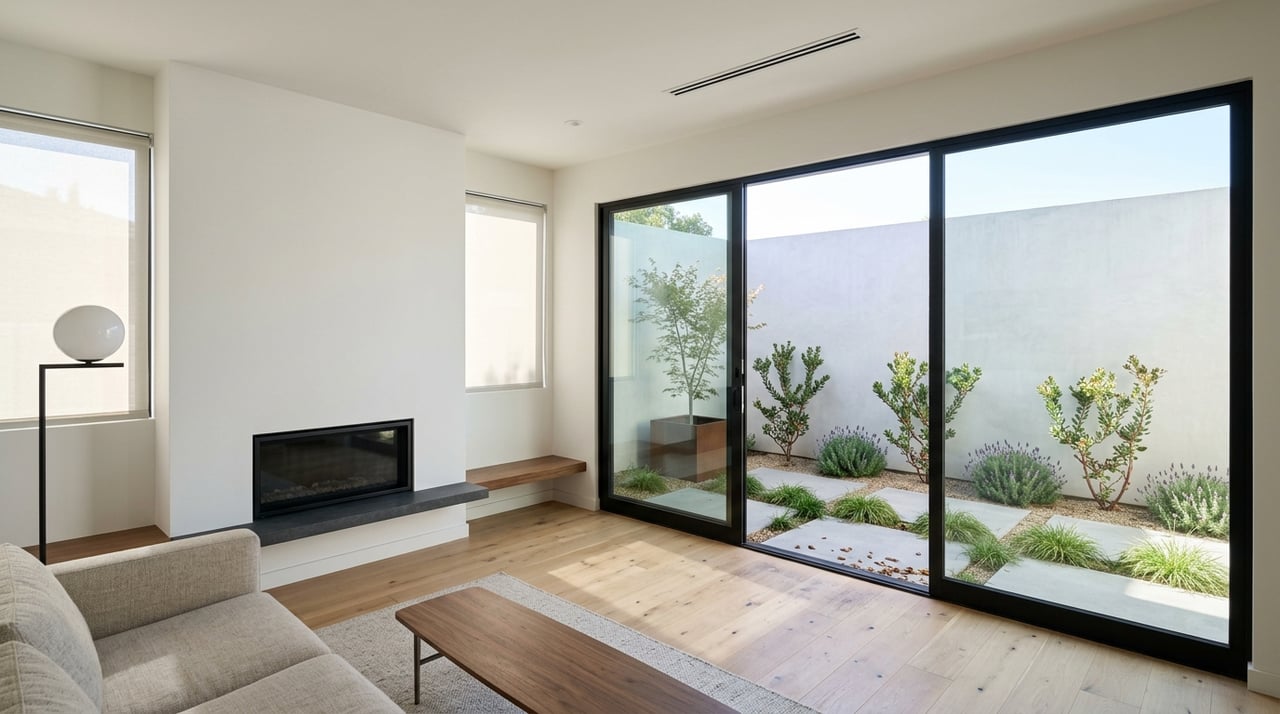
Is Downsizing to Kensington CA the Right Move for You?
Thinking about simplifying your home without giving up the East Bay lifestyle you love? Kensington is one of those communities that can look like an ideal downsizing destination at first glance, but the right move depends on what “downsizing” really means for you. If you want less space, a quieter setting, and strong long-term value, this guide will help you weigh the tradeoffs and decide whether Kensington fits your next chapter. Let’s dive in.
Kensington is a small, mostly residential community in Contra Costa County with a population of just over 5,000, according to Contra Costa County and the 2020 Census profile. That smaller scale gives it a calm, established feel that many homeowners start looking for once a larger home no longer matches their day-to-day needs.
The area also has a strong owner-occupied profile. Census data shows an 86.8% owner-occupied housing rate, a 2.4-person household size, and a median age of 46.6, with 23.5% of residents age 65 or older. In plain terms, Kensington tends to attract long-term homeowners rather than constant turnover.
For many downsizers, that stability matters. You may be looking for a place that feels settled, residential, and connected to the broader East Bay without feeling overly busy. Kensington often fits that description.
If you are picturing a move from a larger house into a brand-new condo with minimal upkeep, Kensington may not be the easiest match. County planning documents describe the housing pattern as primarily single-family homes, generally at about five to seven units per net acre, with limited vacant land and no planned or proposed developments in the community, according to the Kensington Fire Protection District service plan.
That means your downsizing options are more likely to be older detached homes, updated properties, or occasional infill opportunities rather than a large inventory of condos or newly built low-maintenance homes. So in Kensington, downsizing often means less house, not necessarily less responsibility.
This is an important mindset shift. You may gain a more manageable footprint, but you could still be buying a single-family property with stairs, outdoor space, and maintenance needs.
One of the biggest reasons people consider Kensington is that it can support a “downsize without leaving the East Bay” strategy. U.S. Census QuickFacts reports a median value of owner-occupied homes of $1,539,000. The same source shows median owner costs above $4,000 per month with a mortgage and $1,175 without a mortgage.
That price point tells you two things. First, Kensington is an equity-rich market where longtime owners may be able to transition from a larger home into a smaller one while staying in a familiar regional setting. Second, downsizing here does not automatically mean lowering your housing costs in a major way.
Recent value trends also show this is still a premium market. The research report notes Zillow’s current Kensington Home Value Index at about $1.46 million, with a modest 2.1% year-over-year decline. For many buyers, that places Kensington in the category of lifestyle-driven downsizing rather than budget-driven downsizing.
Kensington’s lifestyle is one of its strongest selling points. It is not a large retail hub, and that is exactly why many buyers like it. The community feels residential first, with a few practical commercial nodes rather than a busy town center.
County planning materials identify commercial areas on Colusa Avenue and Arlington Avenue, and local community amenities include the Kensington Park and Community Center, tennis and basketball courts, picnic areas, the library at 61 Arlington Avenue, and the Kensington farmers market at Colusa Circle. That setup can work well if you want nearby conveniences without living in the middle of a dense commercial district.
For some homeowners, this is the sweet spot. You are still close to daily essentials and East Bay destinations, but your immediate surroundings feel quieter and more residential.
If your ideal next chapter includes more walks, more time outdoors, and a calmer pace, Kensington has meaningful appeal. UC Berkeley’s Blake Garden is a 10.5-acre public garden in Kensington, and nearby Tilden Regional Park offers trails, hiking, biking, picnicking, and other outdoor recreation.
That access to nature can be a real quality-of-life upgrade. Instead of moving farther out to find quiet surroundings, you may be able to stay in the East Bay and enjoy a more peaceful residential setting with open space close by.
For many downsizers, this becomes a key deciding factor. You are not just buying a smaller home. You are choosing how you want everyday life to feel.
Kensington has real strengths, but it is not the right fit for everyone. One of the biggest factors to weigh is the terrain. County planning documents describe the area as steep, with canyons, swales, and many narrow roads, and the local fire district places strong emphasis on evacuation planning and preparedness through its service planning materials.
That means you should think carefully about how a specific property will function for you over time. Questions like these matter in Kensington:
These are not small details. In a hillside community, day-to-day livability often matters just as much as square footage.
Another point that can catch buyers by surprise is Kensington’s governance structure. It is an unincorporated community, with services shared across Contra Costa County, the Kensington Police Protection and Community Services District, and the Kensington Fire Protection District, as outlined by Contra Costa County.
That setup can appeal to people who like the idea of a distinct neighborhood identity with local oversight. Still, it is different from buying in an incorporated city where services are handled under one municipal structure. If you are comparing Kensington with nearby East Bay communities, this is worth understanding early in your search.
Kensington can be a strong downsizing choice if you want to stay connected to the East Bay while moving into a quieter, established residential community. It may especially appeal to you if you value:
The broader demographics support that profile. QuickFacts shows a median household income of $237,130, a poverty rate of 3.6%, and an average commute time of 32.7 minutes. Those numbers help explain why Kensington tends to attract established households looking for long-term stability.
Kensington may be less ideal if your definition of downsizing includes a lock-and-leave condo lifestyle, new construction, or flatter streets throughout the neighborhood. Because the community is primarily single-family and hillside-oriented, some buyers may find that a smaller home elsewhere offers easier day-to-day living.
It may also be a tougher fit if you want to handle most errands on foot within a dense retail environment. Kensington offers local convenience, but it is better described as close-in and village-like than fully self-contained.
That does not make it less desirable. It simply means the match depends on your priorities.
Before deciding whether Kensington is the right downsize move, it helps to get specific about your goals. Ask yourself:
Your answers can make the decision much clearer. In Kensington, the best downsizing moves usually happen when the home, lot, and layout align closely with how you want to live now, not just with what looks good on paper.
Kensington can be an excellent downsizing destination if you want a quieter East Bay setting, strong neighborhood stability, and the chance to right-size without stepping away from the region you know. But it works best when you go in with clear expectations about price, housing type, topography, and maintenance. If you are weighing Kensington against other East Bay options, Mark P. Choi can help you compare neighborhoods, evaluate property fit, and find the move that feels right for your next chapter.
Stay up to date on the latest real estate trends.
My objective is to get the top dollar for your home in the current dynamic real estate market and to make the process of listing or buying your home as stress-free and fun as possible.
MARK P. CHOI | CA DRE# 01433100
1619 Shattuck Avenue Berkeley, CA 94709