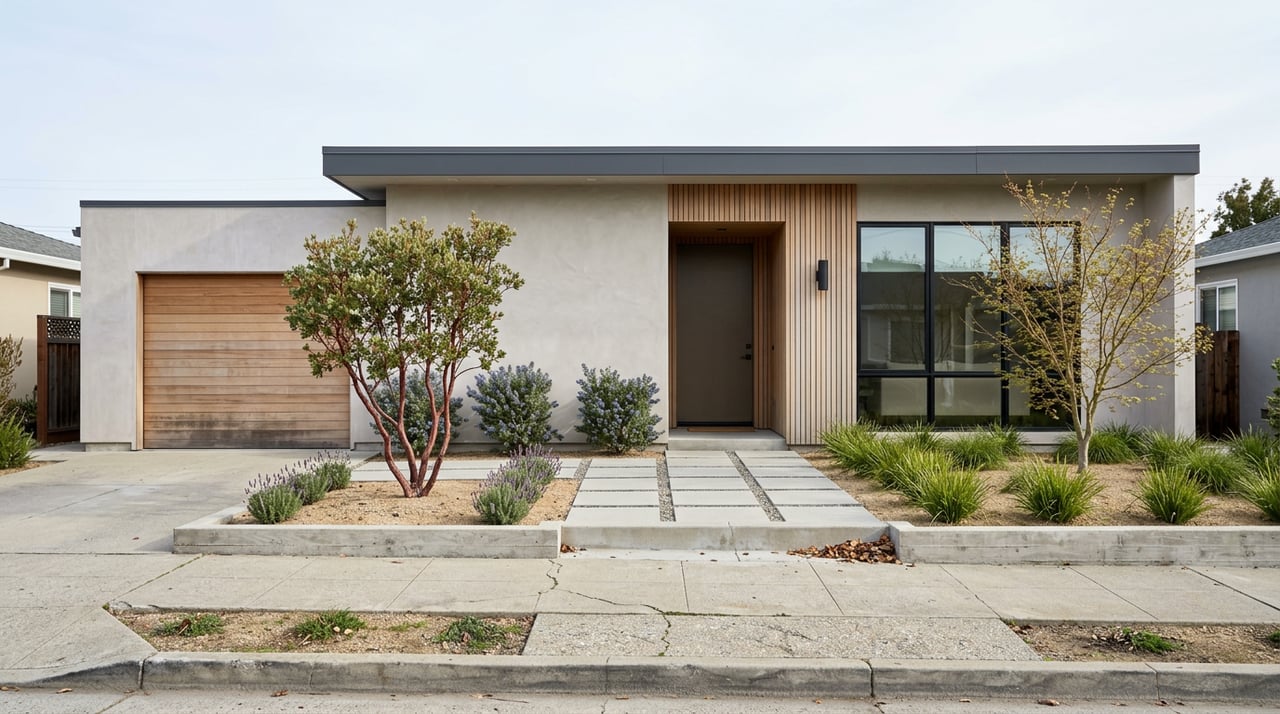
Your Guide to Move-Up Buyer Homes in Albany
Ready to trade condo living for a little yard, more bedrooms, and your own front door in Albany? You are not alone. Many East Bay owners are eyeing Albany’s walkable streets and period homes as their next step. In this guide, you will get a clear picture of prices, what homes look like, how to plan your financing and timing, and the local rules that can impact your move. Let’s dive in.
Why the conflict? These sources track different things and Albany is small, so single sales can move the needle a lot. The practical move is to look at a 12 to 36 month trend and confirm your target price with live MLS comps right before you write an offer. Online dashboards are helpful for context, but your pricing and offer strategy should be based on current neighborhood comps from a local agent.
Most Albany single‑family homes fall in the 3 to 4 bedroom range with about 1,200 to 1,900 square feet. Many were built in the 1920s to 1940s and show classic bungalow or period details alongside modern updates. Lots are modest, often about 3,000 to 6,000 square feet, which keeps the neighborhood walkable and manageable.
Albany’s retail heart is Solano Avenue, lined with local shops and eateries. Nearby blocks along streets like Cornell, Marin, and Hillside are among the most walkable areas, which is a major draw for many buyers. For a quick snapshot of neighborhood appeal and housing context, explore the Albany market overview.
Commuters in Albany often use nearby BART stations, including North Berkeley, El Cerrito Plaza, and El Cerrito del Norte. You can check station locations and transfer options on the BART stations map. AC Transit runs local and Transbay routes along corridors like San Pablo and Marin that connect to BART and major job centers. Always verify current schedules and peak travel patterns before you plan a commute.
How you might commute
In California, base property tax is roughly 1 percent of assessed value under Proposition 13. Local voter‑approved assessments add to that total. Across Alameda County, effective rates typically land in the 1.0 to 1.25 percent range depending on the property’s specific Tax Rate Area. For a clear primer, see the LAO’s property tax overview.
Because many Albany single‑family sales exceed $1 million, you may need a non‑conforming, or jumbo, mortgage. That usually means stricter underwriting and a larger down payment. Get fully pre‑approved with a lender who knows Bay Area jumbo guidelines, and verify current conforming loan limits before you shop. The Redfin Albany market page supports this planning with recent median sale prices.
Each path has tradeoffs. Here are common options to discuss with your lender and agent.
Assume you expect $450,000 in net proceeds from selling your condo and want to buy at $1.6M in Albany.
Your lender can model exact cash to close, reserves, and monthly payments so you can compare these side by side.
Albany actively supports Accessory Dwelling Units. The City offers ADU resources, including an amnesty path for certain older unpermitted units and a pre‑approved ADU program that can streamline design and permitting. If you want multigenerational space or rental income, start with the City’s ADU program page and speak with planning staff early.
If you are thinking bigger, California’s SB 9 may allow certain lot splits or duplex conversions, subject to local standards and design review. Albany’s planning resources outline eligibility and related zoning guidance. Before you assume subdividability or a specific density, review the City’s Planning and Housing Element resources and confirm details with the Planning Department.
Albany’s housing stock is older, so a careful inspection plan matters. Include structural and seismic evaluations along with standard home inspections. The City’s planning and building resources offer context on soft‑story and earthquake preparedness topics. Start with the Planning and Housing Element page and discuss findings with your inspector and contractor.
Key items to scope before you finalize price and terms:
Review recent sold descriptions for clues about typical upgrades. For example, the 1328 Marin Ave listing highlights a renovated period home near Solano Avenue, which aligns with common buyer expectations for updated kitchens, baths, and systems. See that listing context.
Move‑up success in a small, competitive market comes down to planning and flexibility. Use this simple playbook.
Pre‑work, about 6 to 10 weeks before you list. Get fully underwritten pre‑approval in your target price range. Ask your agent for a comparative market analysis on your current home. Line up quick, high‑impact fixes and staging. Verify whether you will need jumbo financing. Check recent competition and days on market on the Redfin Albany page.
If you want to buy aggressively. Line up a HELOC, bridge, or buy‑before program and be prepared to write a non‑contingent offer with clear backup plans. If you plan to request a seller rent‑back after your sale, get terms in writing with your agent and escrow officer.
If you need to sell first. Time your listing to maximize exposure with pro photos and staging. Consider negotiating a short rent‑back so you can shop after closing. Be clear about leaseback terms and timelines.
Understand escrow norms. Bay Area escrows are often 30 to 45 days. In competitive moments, buyers may propose shorter escrows or fewer contingencies to win. Weigh those tradeoffs with your agent and lender so you do not take on unnecessary risk.
Many buyers value Albany’s neighborhood schools and community resources. School boundaries, programs, and ratings can change over time, so confirm what matters most to you with the relevant district and independent resources. The Albany overview offers general community context to start your research.
If you are mapping out your next move, let’s talk about timing, pricing, and a financing plan that fits your comfort level. Start a focused search or request a pricing review with Mark P. Choi.
Stay up to date on the latest real estate trends.
My objective is to get the top dollar for your home in the current dynamic real estate market and to make the process of listing or buying your home as stress-free and fun as possible.
MARK P. CHOI | CA DRE# 01433100
1619 Shattuck Avenue Berkeley, CA 94709