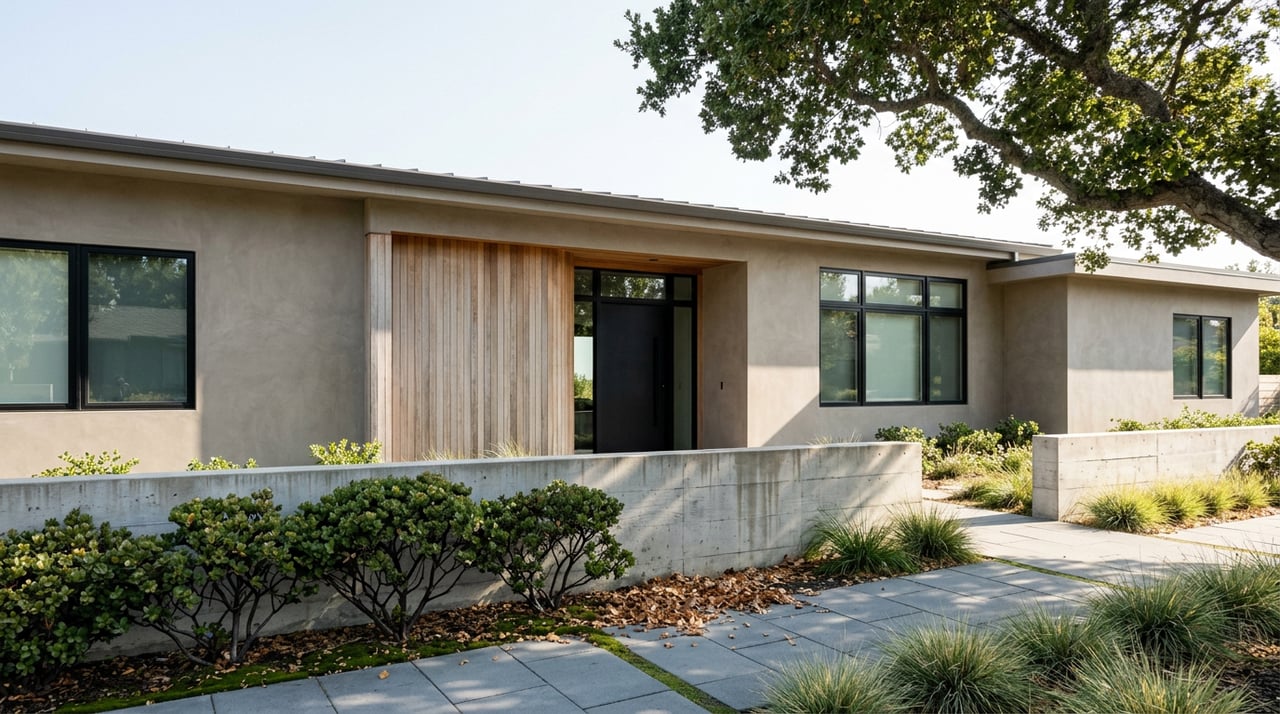
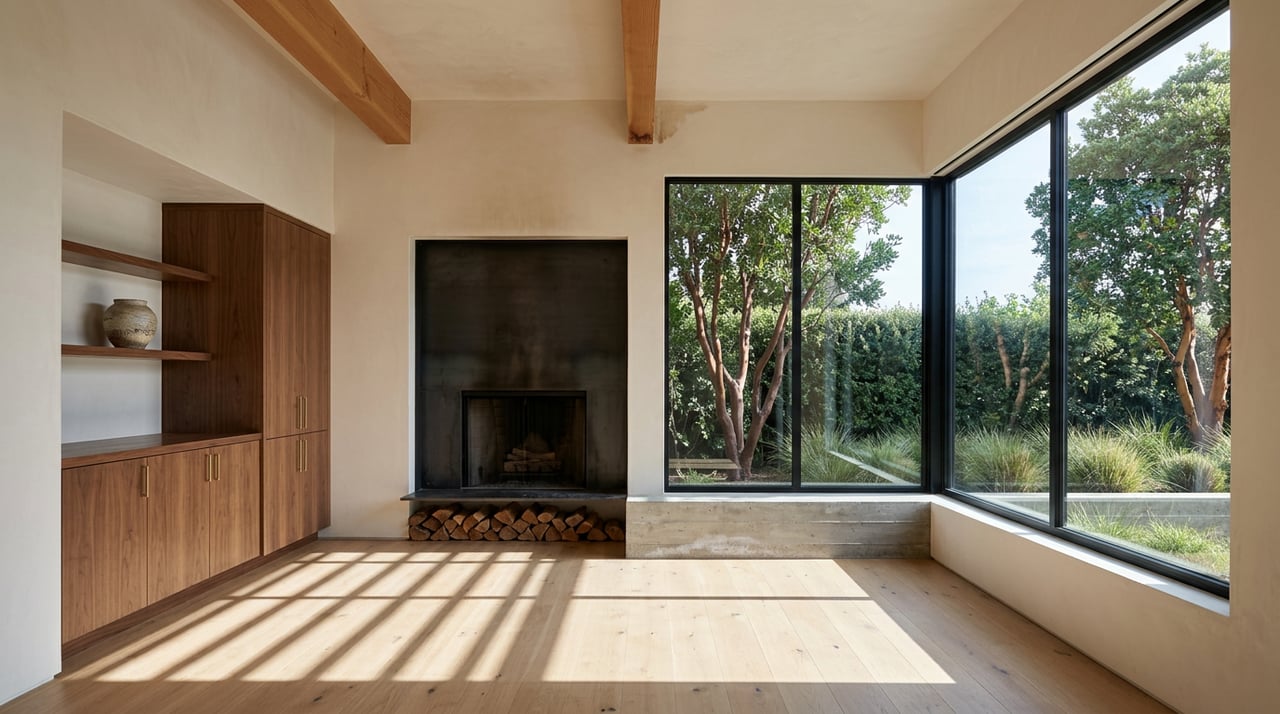
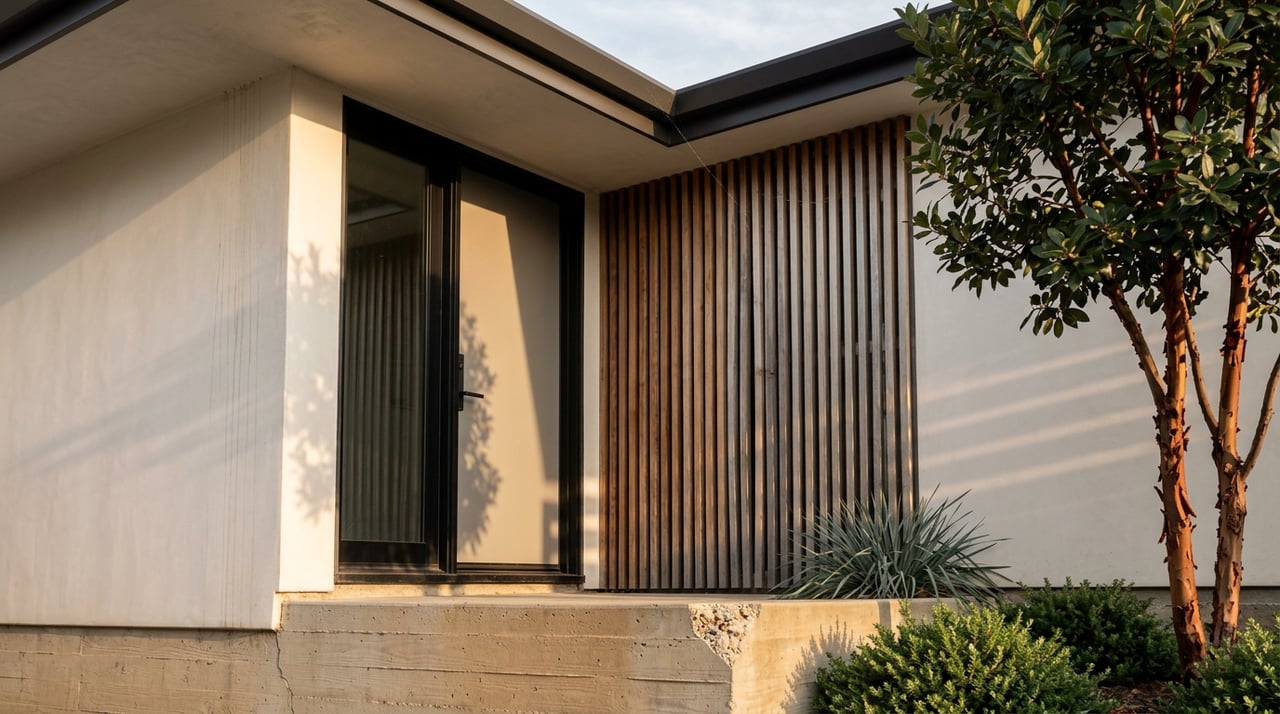
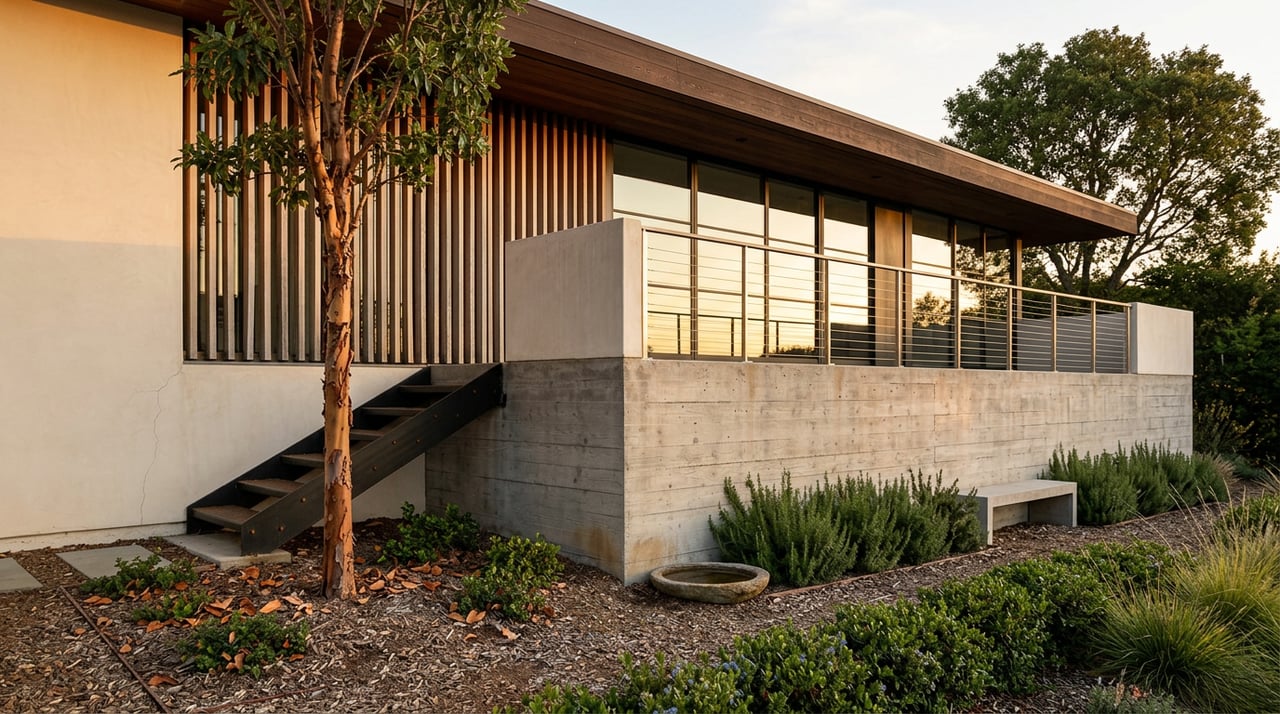
Thinking about adding an ADU to your Richmond home to create rental income or space for extended family? You are not alone. ADUs are popular across the East Bay because they add flexibility and long-term value. In this guide, you will learn what counts as an ADU in Richmond, how permits work, what it typically costs, and how to estimate ROI with simple numbers. Let’s dive in.
ADU types in Richmond
Accessory dwelling units come in several forms, and your property may support more than one option.
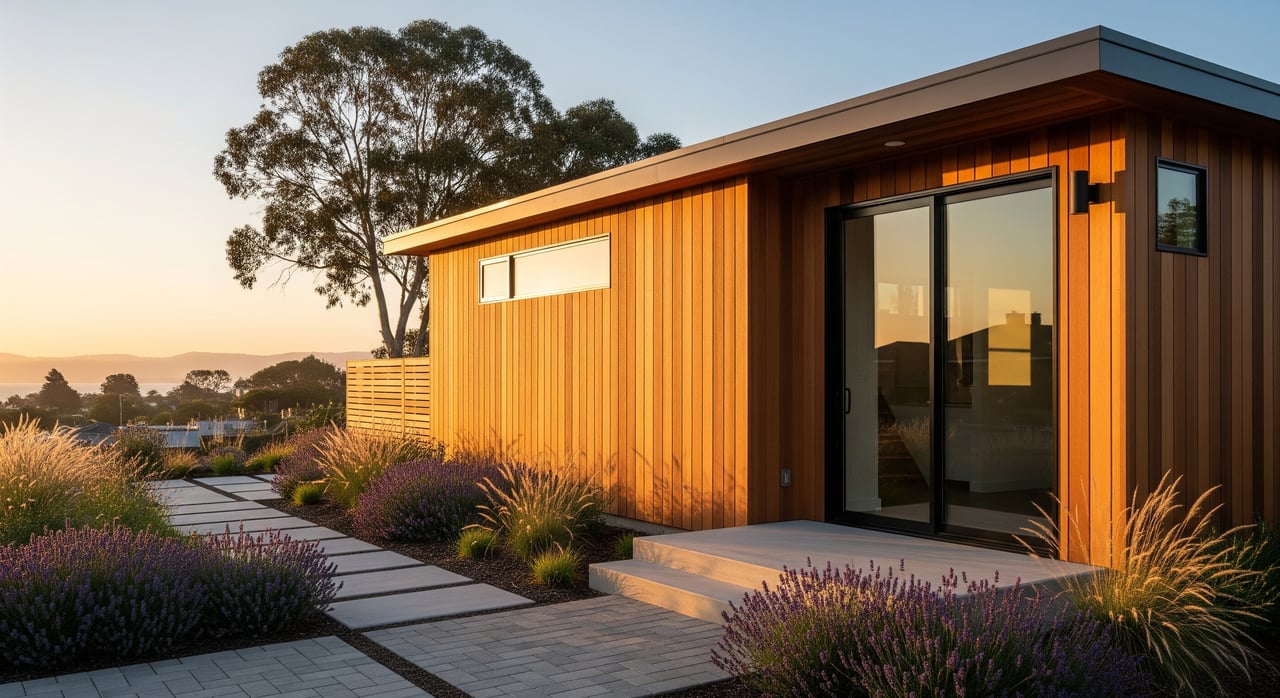
- Detached ADU. A freestanding backyard cottage on the same lot as your main home. It offers privacy and often the highest hard costs per square foot.
- Attached ADU. Built as an addition or conversion within the main structure. It can reduce site work, though structural upgrades may be needed.
- Junior ADU (JADU). A smaller unit, typically up to about 500 square feet, carved from existing interior space. It usually requires a kitchenette and has lower cost.
- Garage-based options. Many East Bay owners convert an existing garage or build above a garage to maximize space.
Most single-family lots in Richmond are potentially eligible, and some multifamily properties may qualify for additional units. Early due diligence saves time and money.
Lot eligibility checklist
State ADU reforms have removed many discretionary hurdles, but local standards still apply. Before you design, confirm these basics:
- Setbacks, height, and lot coverage. Ask Richmond Planning to confirm what fits your parcel.
- Easements and hazards. Look for utility easements, floodplain or hillside limits, or historic designations.
- HOA rules. If applicable, review covenants to avoid conflicts.
- Parking and transit. Proximity to Richmond BART or the ferry can influence parking requirements and renter demand.
- Utilities. Most lots are on public water and sewer. Septic or steep, geotechnical, or environmentally sensitive sites can add cost and time.
Permits and timelines
You will coordinate with the City of Richmond Planning and Building Division for zoning and building permits, the Richmond Fire Department for safety and access, and your utility providers for service capacity. If your parcel is in an unincorporated pocket, confirm if Contra Costa County permits apply.
California’s state ADU laws standardize many approvals. Many ADUs qualify for ministerial review, and state rules limit parking and owner-occupancy requirements. Because regulations evolve, verify current standards with the California Department of Housing and Community Development and the City of Richmond.
Step-by-step roadmap
- Feasibility check. Confirm zoning, setbacks, and lot coverage, plus water and sewer capacity. This prevents costly redesigns.
- Design and engineering. Prepare site plan, floor plans, elevations, structural and foundation details, Title 24 energy compliance, and MEP plans.
- Plan check submission. File for building permits. Richmond will route plans to planning, building, and fire.
- Plan review cycles. Address reviewer comments. Quality plans reduce rounds and time.
- Permit issuance. Obtain building and any separate electrical, plumbing, mechanical, grading, and sewer permits.
- Construction and inspections. Expect stages for foundation, framing, rough-ins, insulation, and final.
- Final occupancy. Secure final signoff before renting or occupying the unit.
How long it takes
- Feasibility and design: 4 to 12 weeks, faster with pre-approved or prefab plan sets.
- Plan check to permit: Often 2 to 4 months in the East Bay, even with state timelines around 60 to 90 days, depending on backlog and plan quality.
- Construction: About 6 to 12 weeks for small conversions or JADUs. Around 3 to 6 months for most attached ADUs. About 4 to 12 months for detached builds, depending on site work and complexity.
- Total project: Commonly 6 to 18 months from idea to occupancy. Complex sites or financing delays can extend that to 18 to 24 months.
Common delay triggers
- Setbacks, lot coverage, or rear yard standards not met.
- Utility upgrades, including water or sewer lateral capacity or replacement.
- Fire access or sprinkler requirements.
- Sloped lots, soil reports, or engineered foundations.
- HOA or neighborhood preservation constraints.
Costs in Richmond
ADU budgets vary widely across the East Bay due to labor, materials, and site conditions. Plan conservatively and include a contingency.
Cost components to plan for
- Design and planning. Architect or designer, structural and civil work, energy calculations, and plan check fees.
- Permitting and impact fees. Building permits, inspections, and connection or capacity fees for water and sewer.
- Site work and foundation. Grading, trenching, utility tie-ins, and foundation.
- Construction hard costs. Framing, roofing, windows, insulation, interior finishes, kitchen, bath, and mechanical systems.
- Systems and utility upgrades. Electrical panel or service, separate meters if required, sewer lateral replacement.
- Soft costs and contingency. Contractor overhead and profit, project management, and a contingency. In the East Bay, a 20 percent contingency is wise.
Typical ranges in the East Bay
- JADU: About $10,000 to $70,000, depending on scope and whether you add separate systems and entries.
- Attached ADU: About $80,000 to $300,000 based on size and finishes.
- Detached ADU: Roughly $150,000 to $450,000 or more for 400 to 1,000 plus square feet. Prefab can help with build speed, but foundation and site work remain significant.
- Garage conversion: Often $60,000 to $200,000, driven by structural and utility needs.
State law limits some development and connection fees for smaller ADUs, but Richmond can still collect permit, plan check, and utility fees. Fee thresholds and exemptions change, so verify the current Richmond schedule and which rules apply to your unit size.
Local budgeting tips
- Start with feasibility. Clarify setbacks, height, and utilities to pin down scope and avoid redesigns.
- Price the site work early. Trenching, foundations, and sewer laterals often surprise owners.
- Get multiple bids. Choose contractors who have built ADUs in Richmond and request recent references.
- Select finishes for value. Durable, mid-range finishes can keep costs in line and appeal to long-term renters.
- Hold a contingency. Unforeseen conditions are common across the East Bay. A 20 percent buffer protects your timeline and budget.
Financing options
Homeowners in Richmond use a mix of funding paths based on their equity, timeline, and project size:
- Cash. Fastest and simplest when funds are available.
- HELOC or home equity loan. Popular for owner-occupants with equity.
- Cash-out refinance. Consolidates debt and can lower monthly payments depending on rate.
- Construction or renovation loan. Common for detached ADUs and larger builds with lender-controlled draws.
- FHA or conventional overlays. Some lenders allow ADU costs in a purchase or refinance package. Underwriting varies.
- Local or state programs. Some Bay Area programs offer grants, loans, or technical assistance, especially for smaller or affordable units. Check current options in Richmond and Contra Costa County.
Rental income and ROI
A clear ROI model helps you decide how much to invest and which ADU type fits your goals. Use simple, conservative assumptions and test a few scenarios.
Key metrics to track
- Gross rental yield. Annual rent divided by total project cost. It ignores expenses but shows basic income potential.
- Net operating income. Annual rent minus expenses such as owner-paid utilities, insurance, maintenance, vacancy allowance, and management.
- Cash-on-cash return. For financed projects, annual cash flow after debt service divided by your cash invested.
- Payback period. Total project cost divided by annual net cash flow.
Sample Richmond scenario
Assume a detached 1-bedroom at a $300,000 total project cost and market rent of $2,400 per month, or $28,800 per year.
- Gross yield: 28,800 divided by 300,000 equals 9.6 percent gross.
- NOI estimate: If you budget 30 percent of gross for expenses, NOI is about $20,160, a 6.7 percent NOI yield.
- Sensitivity: If costs rise to $375,000, gross yield falls to 7.7 percent. If rent reaches $3,000 per month, gross yield improves to 12 percent.
Results in Richmond depend on size, finishes, and transit access. Units closer to BART and in good condition can rent faster, but always underwrite vacancy at 5 to 8 percent and include turnover costs.
What shapes your returns
- Rent level. Driven by size, layout, finishes, and location.
- Vacancy and turnover. The East Bay’s demand helps, but plan for downtime and re-leasing.
- Operating expenses. Utilities, maintenance, insurance, and optional property management at about 6 to 10 percent of rent.
- Financing cost. Interest rates and loan terms can make or break cash-on-cash return.
- Taxes. Rental income is taxable. Depreciation and expenses can offset some income. If you plan to sell, consider capital gains implications and timing.
Short-term rentals are often restricted. If you are considering an STR strategy, confirm Richmond’s current rules before you proceed.
Richmond ADU checklist
Use this quick list to move from idea to action:
- Confirm zoning, allowed ADU types, setbacks, and lot coverage with Richmond Planning.
- Check water and sewer capacity and the condition of your sewer lateral.
- Review site constraints such as easements, slope, trees, floodplain, or environmental concerns.
- Note parking and transit factors that may affect requirements and marketability.
- Obtain at least two bids from East Bay ADU contractors with Richmond experience.
- Explore financing options and get pre-qualification if you will use a loan.
- Build a budget with a 20 percent contingency and realistic permit timing.
- Decide how you will manage tenants and include those costs in your pro forma.
Work with a local guide
A well-planned ADU can unlock long-term value, but the best results come from local experience. You get better outcomes when you confirm feasibility early, budget for site work and utilities, and price to the market with accurate rent comps.
If you want help scoping costs, rental potential, or vendor options in Richmond and the broader East Bay, reach out to Mark P. Choi. You will get clarity on next steps, introductions to trusted pros, and a plan tailored to your property and goals.
FAQs
Can you rent an ADU separately in Richmond?
- Yes, ADUs are generally allowed as separate rentals, but confirm any local registration and occupancy rules, and verify current short-term rental restrictions.
Do you have to live on the property to build an ADU?
- Many state laws have removed owner-occupancy requirements for new ADUs, but you should verify the current Richmond policy before you apply.
How much does a garage conversion cost in Richmond?
- Garage conversions commonly range from about $60,000 to $200,000, depending on structural work and utility upgrades.
How long does a detached ADU build take?
- Detached ADUs often take 4 to 12 months to build after permits, with total project timelines commonly 6 to 18 months from concept to occupancy.
Will an ADU increase my property taxes?
- New construction typically increases assessed value and taxes, so check with the Contra Costa County Assessor for specifics and possible exemptions.
Can you sell an ADU separately from the main home?
- Usually no, unless a lot split or condominiumization is allowed and approved, so most ADUs convey with the primary parcel.