Thinking about ditching the car in Berkeley? If you want a lifestyle where groceries, coffee, work, and weekend fun are all a short walk or bike ride away, you are in the right place. Berkeley offers strong transit, bikeable streets, and compact neighborhoods that make car-light living realistic. In this guide, you will learn which areas work best, where the tradeoffs show up, and how to assess any home for day-to-day convenience. Let’s dive in.
Car-free basics in Berkeley
Berkeley’s mobility network mixes regional rail, local buses, bike routes, and compact shopping streets. Your everyday experience will depend on how close you are to BART, frequent bus corridors, and daily needs like groceries and pharmacies.
- BART connects Berkeley to San Francisco, Oakland, and other East Bay cities through Downtown Berkeley, North Berkeley, and Ashby stations. Service is frequent during the day, and thinner late at night and early morning, so timing matters if you work off hours.
- AC Transit buses cover major corridors such as Shattuck, University, Telegraph, and San Pablo. Some routes run all day with good frequency and others focus on peak times, so pick a home near a corridor that matches your schedule.
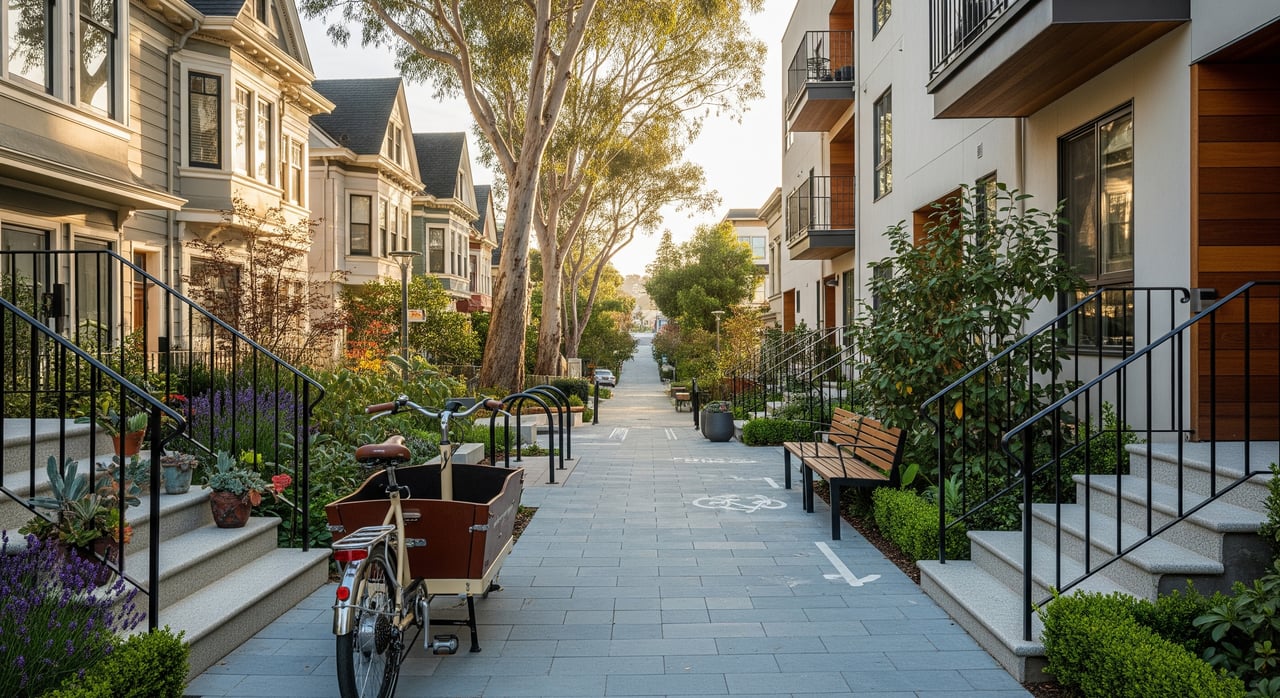
- Biking is popular, with a growing network of bike lanes and bike boulevards. E-bikes help flatten hills and extend your range, and shared e-bikes operate in parts of Berkeley.
- Walkability is strongest in Downtown, Southside near campus, North Berkeley around the Gourmet Ghetto area, Elmwood on College Ave, Fourth Street and nearby blocks in West Berkeley, and along Shattuck and University. You will find more daily services in these areas compared to hillside neighborhoods.
- When you need a car, carshare, rideshare, and delivery services can fill the gap. Availability varies by block, so verify options near any property.
Best neighborhoods for car-free living
Car-free life in Berkeley is most practical within a short walk of BART or frequent buses, and close to daily services. Here is how the main areas stack up.
Downtown Berkeley
- Pros: Steps from Downtown Berkeley BART, a dense mix of groceries, restaurants, shops, theaters, and services, plus strong bus coverage. Short blocks and many apartments make walking the default.
- Cons: Higher rents, more noise and foot traffic, and limited free street parking.
- Best fit: Buyers and renters who want immediate transit access and a lively urban feel.
Southside near campus
- Pros: Walkable streets oriented to campus life with many cafes, groceries, and services. Downtown and BART are a walk or short bus ride away.
- Cons: Very busy, often noisy at night, with parking restrictions and frequent rental turnover.
- Best fit: Anyone who wants energetic streets, quick access to amenities, and easy transit.
North Berkeley and Solano corridor
- Pros: Strong local retail on Shattuck with specialty food shops and small groceries, plus nearby pockets around Solano Avenue just north of the city line. Parts of the area are a walkable distance to North Berkeley BART.
- Cons: Some residential blocks sit farther from BART, and a few streets see traffic bottlenecks.
- Best fit: People who prefer a neighborhood-centered routine with a relaxed pace.
Elmwood on College Ave
- Pros: A village-like commercial strip with groceries, bakeries, and restaurants, plus frequent local bus service toward BART and Downtown.
- Cons: BART requires a walk or bus connection, and some areas quiet down early.
- Best fit: Those who want a neighborhood feel with daily needs close by and reliable bus access.
Fourth Street and West Berkeley
- Pros: High amenity density near Fourth Street shops and services, flat terrain that is great for biking, and straightforward connections to transit corridors.
- Cons: Housing options right on the strip can be limited and prices can run higher in retail-focused blocks.
- Best fit: Shoppers and anyone who wants a compact, amenity-rich environment.
Ashby and South Berkeley
- Pros: Direct access to Ashby BART, multiple bus lines, and ongoing investment in the corridor.
- Cons: Amenities vary by block and some sections are still in transition.
- Best fit: Households that prioritize BART access and active transit corridors at often lower cost than Downtown.
Berkeley Hills, Thousand Oaks, and Claremont
- Pros: Quiet residential streets, larger homes, and notable views.
- Cons: Steep grades make walking and biking harder, fewer stores within a short walk, and bus service is more limited. Car-free living here usually depends on an e-bike, a bus-and-bike combo, or occasional vehicle access.
- Best fit: Households who value a residential setting and can plan for hills and fewer nearby shops.
Nearby Oakland options to compare
- Rockridge: BART at Rockridge and a strong College Ave shopping district, popular with walkers and cyclists.
- Temescal and Grand Ave: Vibrant retail streets, frequent bus service, and short bike rides to central Berkeley.
- Uptown and Downtown Oakland: A major transit hub with many jobs and amenities, good for regional commuters.
Tradeoffs to expect
A car-free lifestyle in Berkeley can save money and time, but you will want to plan around hills, late-night service, and occasional car needs.
Key advantages
- Cost savings: You can avoid monthly car payments, insurance, gas, repairs, and parking costs. A mix of transit, biking, and occasional rideshare or carshare often pencils out.
- Everyday convenience: In dense areas, walking to groceries, work, and dining can be faster and less stressful than driving and parking.
- Strong regional access: BART puts San Francisco and other East Bay cities within easy reach for work and weekends.
Common constraints
- Station proximity: Living more than about a half to one mile from BART or a frequent bus route increases the need for a bike, scooter, or carshare.
- Topography: Hills east of central corridors can make walking and biking tougher, though e-bikes help significantly.
- Late-night and early-morning trips: Transit runs less often at those hours, so plan for rideshare or carshare for early flights or late shifts.
- Occasional car needs: Large furniture, home projects, and weekend getaways may still require a vehicle. Carshare, rentals, or borrowing are common solutions.
- Housing cost: The most walkable, transit-rich areas tend to cost more to rent or buy, so you may trade housing budget for lower transportation costs.
- Parking rules: If you keep a car near campus or business districts, expect Residential Permit Parking requirements and limited free parking.
- Accessibility: For some older adults and those with mobility challenges, hills and reduced evening service can be real constraints. Consider accessibility features and paratransit options.
How to evaluate any property
Use this quick checklist to test how car-light a home can be for your daily life:
- Time your walk to the nearest BART station and to a frequent bus corridor.
- Map the closest full-service grocery store and pharmacy, not just a convenience store.
- Check for secure bike storage in the building and look for nearby protected bike lanes.
- Confirm neighborhood carshare availability and the location of parking stalls.
- Visit at different times to assess noise, crowds, and nightlife levels.
- Review local parking permits, guest parking options, and any building rules.
- Verify delivery access for packages and large items.
Tips for a smooth car-free move
- Get a Clipper card to use across Bay Area transit systems. It simplifies transfers and fares.
- Test-run a typical week without a car. Include your commute, a grocery trip, a social outing, and an appointment.
- Consider an e-bike if you live on or near hills or plan to carry groceries. It expands your comfortable range.
- Join or trial carshare services to cover occasional car needs without ownership.
- Learn peak and off-peak patterns for your key bus routes and BART trips so you can plan around thinner service.
Is car-free right for you?
If your routine will center on Downtown, Southside, North Berkeley, Elmwood, Fourth Street, or near Ashby BART, going car-light can be straightforward. You will gain convenience and flexibility, and with a bike or e-bike, you can stretch that radius even more. If you are drawn to the hills or quieter residential pockets, you can still reduce car use by pairing buses, biking, and occasional carshare.
When you are ready to compare homes and tradeoffs by block and corridor, reach out to a local advisor who knows the streets, transit, and daily rhythms. If you want help narrowing options and touring neighborhoods with car-free living in mind, connect with Mark P. Choi.
FAQs
Which Berkeley neighborhoods support car-free living?
- Downtown, Southside near campus, North Berkeley around the Gourmet Ghetto area, Elmwood on College Ave, Fourth Street and West Berkeley, and areas near Ashby BART offer the strongest mix of walkability and transit.
How close to BART should I live without a car?
- Aim for within a half to one mile of a station or a frequent bus corridor to keep daily trips simple, and plan a bike or e-bike if you are beyond that range.
Are groceries and pharmacies walkable in most areas?
- Many stores cluster in Downtown, Southside, North Berkeley, Elmwood, Fourth Street, and along Shattuck and University, while hillside areas have fewer nearby options.
Will an e-bike handle Berkeley’s hills?
- Yes, e-bikes reduce the impact of steep grades and make longer trips realistic, especially when carrying groceries or commuting from higher elevations.
What about late-night travel without a car?
- Transit runs less frequently late at night and early morning, so plan for rideshare, carshare, or adjusted schedules for early flights and late shifts.
How do parking rules affect car-light living?
- Near campus and business districts, Residential Permit Parking and limited free spaces are common, so factor permit costs or private parking into your plan if you keep a car.